
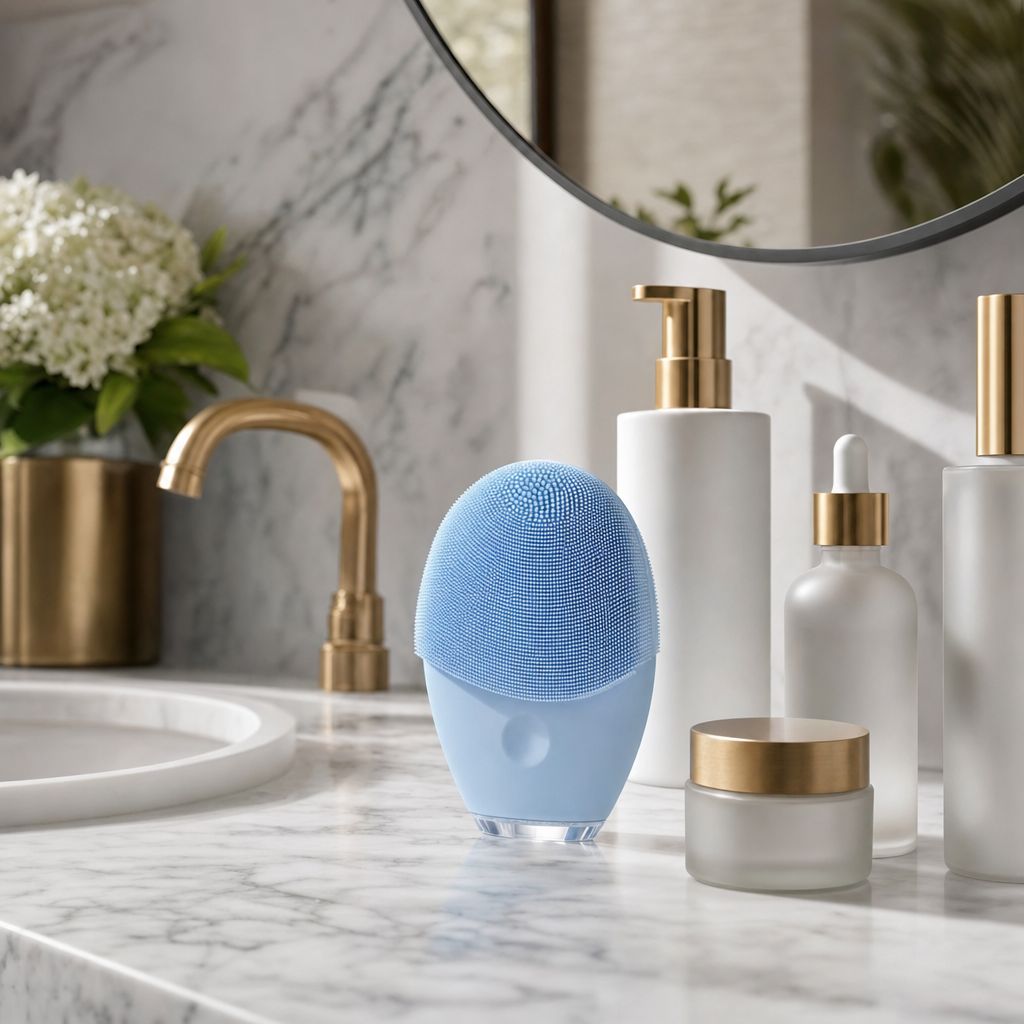
Introduction to Facial Cleansing Brushes
Facial cleansing brushes have become a staple accessory in modern skincare regimens, capturing the attention of beauty enthusiasts and dermatologists alike. These handheld devices are designed to elevate traditional face washing by offering a deeper mechanical or sonic cleanse than what is typically achieved with fingertips alone. Whether powered by batteries or rechargeable lithium-ion cells, these tools aim to dislodge stubborn makeup residue, excess sebum, and microscopic pollutants that accumulate on the skin throughout the day. By introducing a mechanized element to your routine, you can potentially enhance the overall texture and clarity of your complexion over time.
The primary appeal of incorporating a cleansing brush into your routine lies in its ability to provide gentle physical exfoliation alongside standard cleansing agents. Manual washing relies entirely on friction from your hands, which can sometimes be inconsistent or overly aggressive if you apply too much pressure. Mechanized brushes, however, maintain a steady rotation, oscillation, or vibration speed, ensuring an even distribution of cleansing power across different areas of the face. Many people find that this consistent approach leaves their skin feeling remarkably refreshed, smooth, and better prepared to absorb subsequent skincare products like serums and moisturizers.
Types of Technology Used in Cleansing Devices
When researching the best facial cleansing brush for your specific skin type, you will quickly notice that these devices utilize distinct technological mechanisms. Sonic oscillation is one of the most popular methods, relying on rapid micro-movements that cause the brush head to flex back and forth at high frequencies. This movement agitates the water on the surface of your skin to flush out pores without requiring harsh abrasive friction. Sonic brushes are generally praised for their ability to cleanse deeply while remaining relatively gentle, making them suitable for a wide variety of skin types when used correctly.
Another common category includes rotating or dual-action brush heads that physically spin in circular motions to lift away dead skin cells. These devices often feature traditional nylon bristles and provide a more traditional scrub-like sensation that many users enjoy for body or facial exfoliation. Additionally, silicone-surface cleansing devices have gained massive popularity in recent years due to their hygienic properties and ultra-soft touchpoints. Silicone is non-porous, meaning it resists bacteria buildup far better than traditional porous bristles, making it a low-maintenance option for people concerned about breakouts and device cleanliness.
Key Benefits and Skin Considerations
Advocates of facial cleansing brushes often highlight improved product absorption as a major advantage of using these devices regularly. When dead skin cells and surface debris are thoroughly cleared away, topical treatments such as hydrating essences, antioxidant serums, and restorative night creams can penetrate the epidermal layers more effectively. Furthermore, the mild massage action provided by these tools can stimulate superficial blood circulation, temporarily imparting a healthy, rosy glow to the complexion. This increased microcirculation supports overall skin vitality and contributes to a fresher appearance day after day.
However, it is vital to approach mechanical cleansing with caution, as over-exfoliation is a common pitfall that can compromise the skin barrier. Individuals with chronic inflammatory conditions such as active cystic acne, severe rosacea, eczema, or extremely sensitive skin should consult a dermatologist before introducing any scrubbing device into their daily regimen. Using a harsh brush on compromised skin can exacerbate redness, cause micro-tears, and strip away essential natural oils, leading to dehydration and increased vulnerability to environmental irritants and pollutants.
- Assess your skin type: sensitive skin requires ultra-soft silicone or low-frequency sonic settings.
- Evaluate maintenance costs: consider whether the brush requires frequent replacement heads.
- Check power sources: decide between USB rechargeable models and replaceable battery-operated devices.
- Review waterproof ratings: ensure the device is fully submersible for safe use in the shower.
Practical Guidance for Safe Daily Use
Establishing a safe and effective routine with your cleansing brush requires mindful pacing and proper technique to protect your skin barrier. Dermatologists typically recommend starting slowly, perhaps limiting use to just one or two evenings per week to see how your skin responds to the mechanical action. Avoid pressing the device firmly against your face; the weight of the brush head is usually more than enough pressure to achieve a thorough cleanse. Let the technology do the work, and keep the device moving continuously across your forehead, cheeks, nose, and chin without lingering in any single spot.
Pairing your device with the right cleanser is another critical factor in preventing irritation and maintaining skin health. Gel or foaming cleansers that do not contain physical microbeads or harsh exfoliating acids work best, as combining scrub brushes with chemical exfoliants can easily lead to severe dryness. After you finish cleansing, rinse your face thoroughly with lukewarm water and gently pat dry with a clean towel. Immediately follow up with a soothing, fragrance-free moisturizer to lock in hydration and reinforce the natural lipid barrier that protects your skin throughout the day.
Proper Hygiene and Maintenance Practices
Maintaining strict hygiene standards is non-negotiable when using any facial cleansing brush, given that damp bathroom environments are breeding grounds for mold and bacteria. After every single use, detach the brush head and wash it thoroughly under warm running water using antibacterial soap or a specialized device cleanser. Ensure that all leftover lather, makeup pigments, and detached skin cells are completely rinsed away from the bristles or silicone touchpoints. Allow the brush to air dry in a well-ventilated area rather than storing it inside a dark, enclosed makeup bag or medicine cabinet.
In addition to post-use rinsing, traditional bristled brush heads must be replaced regularly to maintain their cleaning efficacy and safety. Most manufacturers recommend swapping out old brush heads every three months, similar to how you would replace a manual toothbrush or a electric toothbrush head. Continued use of frayed, misshapen, or worn bristles can harbor microbial growth and lose their gentle texture, potentially causing micro-abrasions on the delicate facial skin. Keeping a strict replacement schedule ensures your cleansing tool remains as hygienic and effective as the day you first unboxed it.
Frequently Asked Questions
Can I use a facial cleansing brush every day?
Daily use depends heavily on your skin type and the device’s abrasiveness. While some people with resilient skin can tolerate daily use of ultra-soft silicone brushes, most dermatologists recommend limiting mechanical cleansing to two or three times a week to prevent barrier damage.
Are silicone cleansing brushes better than bristled ones?
Silicone brushes are generally more hygienic because their non-porous surface resists bacterial growth and they never require replacement heads. Traditional bristled brushes offer a more traditional scrub feel but require meticulous cleaning and quarterly head replacements.
Will a cleansing brush help clear up my acne?
A cleansing brush can help remove excess oil and surface debris that contribute to clogged pores, but it is not a cure for acne. If you have active, inflamed breakouts, mechanical scrubbing can actually worsen irritation and spread bacteria across the face.
Can I use facial scrubs with my cleansing brush?
You should avoid combining physical facial scrubs containing nuts, seeds, or microbeads with a cleansing brush. This dual exfoliation is far too aggressive for delicate facial skin and will likely strip your moisture barrier, causing redness and peeling.
Article Was Generated By AI.