
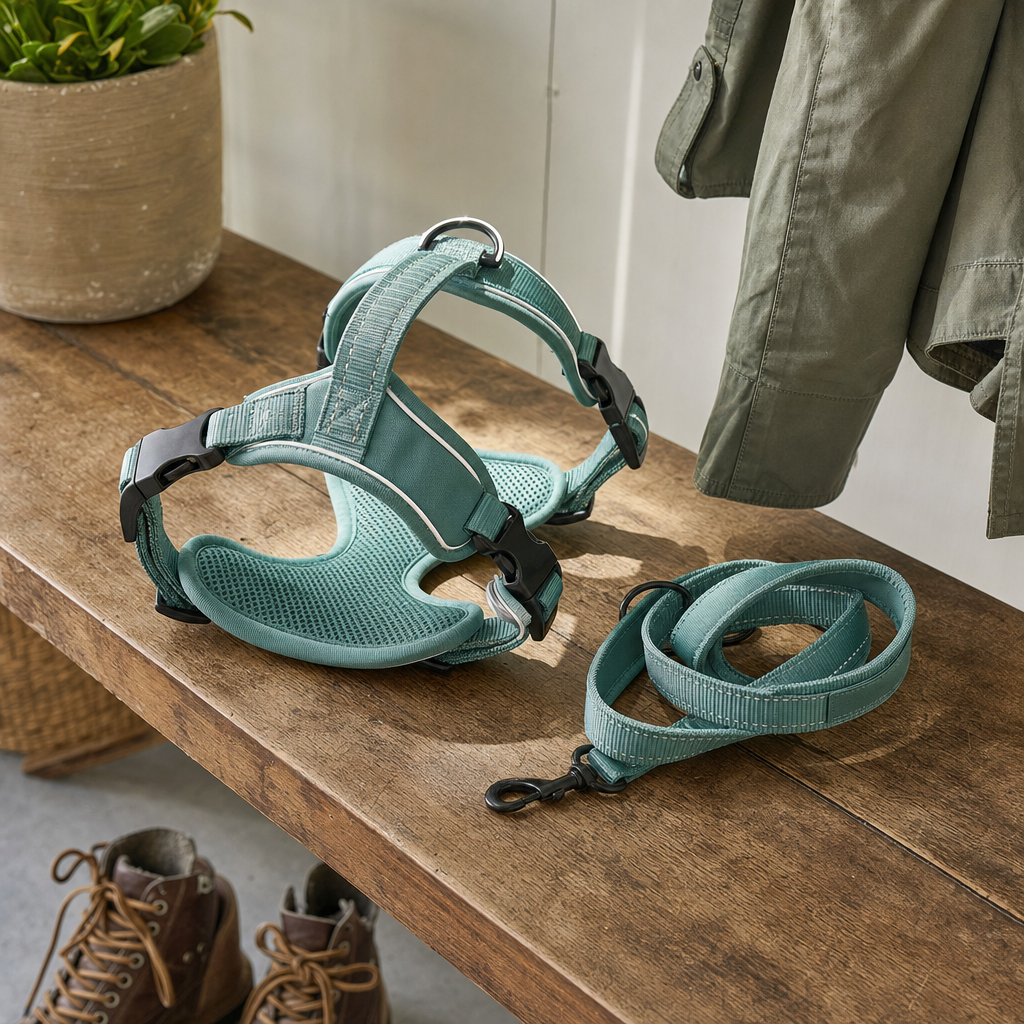
Understanding the Purpose of a Dog Harness
When searching for the best dog harness, it helps to understand why many veterinarians and professional trainers recommend them over traditional neck collars. Standard collars apply direct pressure to a dog’s delicate throat, windpipe, and thyroid glands whenever the leash goes taut. For dogs who pull persistently, this localized stress can lead to coughing, gagging, or even more severe medical conditions over time. A properly designed harness distributes pulling pressure evenly across the broader, sturdier chest and shoulder blades of the animal, safeguarding their respiratory health and minimizing the risk of physical injury during daily outings.
Beyond physical safety, these walking accessories provide significantly better control for handlers, especially when managing high-energy breeds or large dogs in crowded urban environments. Because the point of leash attachment sits further back on the body, you gain a mechanical advantage that makes steering and redirecting your pet much easier without relying on brute strength. This added leverage is particularly valuable for owners who may have less upper body strength or who are currently working through obedience training with an enthusiastic puppy. Ultimately, transitioning from a neck collar to a supportive chest strap transforms routine walks into safer, more enjoyable experiences for both human and hound alike.
Common Varieties and Their Specific Uses
The market features a diverse array of designs tailored to specific behavioral traits and physical builds, meaning there is no single universal option that suits every situation. Back-clip models feature the leash attachment ring on the upper back, making them exceptionally comfortable for relaxed walkers and well-behaved adult dogs who do not pull. Front-clip alternatives place the attachment ring squarely on the center of the chest, which naturally discourages pulling by turning the dog toward you whenever they surge ahead on the leash. Dual-clip designs offer the best of both worlds, featuring connection points on both the front and back for maximum versatility during training sessions and casual strolls.
Specialized body straps also exist for unique activities like running, hiking, or secure car travel. Step-in configurations allow owners to slide the dog’s legs directly through designated loops before securing buckles across the back, which often appeals to pets who dislike having gear pulled over their heads. Overhead vest styles provide maximum surface area coverage, making them ideal for tiny breeds prone to collapsed tracheas or working dogs that require sturdy handles for lifting over obstacles on rugged outdoor trails. Assessing your daily routine will help you narrow down which structural category aligns best with your specific lifestyle needs.
Here are the primary harness categories to consider based on your walking habits and training goals:
- Back-clip harnesses: Comfortable for relaxed dogs and ideal for everyday casual neighborhood walks.
- Front-clip harnesses: Designed to discourage pulling by redirecting forward momentum gently.
- Dual-clip harnesses: Versatile options featuring both front and back rings for adjustable control.
- Step-in harnesses: Easy to put on for dogs who are sensitive about objects passing over their face.
- Vest-style harnesses: Offer broad chest coverage and added support for tiny or elderly pets.
Crucial Factors for Achieving a Proper Fit
Selecting the correct size is arguably the most critical step in finding the ideal walking gear for your pet, as an improper fit can cause painful chafing or allow a clever escape artist to slip away. Manufacturers typically rely on chest girth measurements rather than weight alone, since two dogs of identical weight can have vastly different body proportions. Use a flexible soft measuring tape to wrap around the widest part of your dog’s ribcage, just behind the front legs, ensuring the tape is snug but not overly compressed into their fur. Always consult the specific brand sizing chart rather than guessing based on small, medium, or large labels, which vary wildly across different manufacturers.
Once you have acquired the item, checking the adjustment points is essential to guarantee both security and freedom of movement during physical activity. A good rule of thumb for testing tension is the two-finger rule: you should be able to comfortably slide two fingers flat beneath any strap without encountering excessive resistance or leaving loose slack. Pay close attention to where the shoulder straps sit, ensuring they do not restrict the natural forward swing of the front legs or press directly into the soft armpit tissues where painful friction burns commonly develop over extended periods of continuous wear.
Material Quality, Durability, and Maintenance
Evaluating the construction materials ensures that your investment stands up to daily wear and tear, adverse weather conditions, and enthusiastic canine behavior. High-grade nylon and heavy-duty polyester webbing dominate the market due to their impressive tensile strength, weather resistance, and ability to dry quickly after muddy outdoor adventures. Hardware components, including D-rings, slide adjusters, and side-release buckles, should ideally be constructed from forged metal or heavy-duty reinforced plastic that will not crack under sudden pressure or low winter temperatures. Reflective stitching or bright neon trim is another vital construction detail that drastically improves nighttime visibility for evening walks near roadways.
Proper maintenance extends the lifespan of your walking gear and keeps your furry friend hygienic and free from skin irritations caused by accumulated dirt or moisture. Most fabric models can be hand-washed in a basin using mild pet-safe detergent and warm water, followed by air-drying completely before the next scheduled outing. Avoid putting delicate hardware or metal-accented straps into automated washing machines or tumble dryers, as the mechanical agitation can damage both the fabric fibers and your household appliances. Regularly inspect the straps and stitching for signs of fraying, chewing damage, or weakened plastic buckles to ensure continuous safety during your daily travels.
Frequently Asked Questions About Dog Harnesses
Should my dog wear a harness all day inside the house?
It is generally not recommended to leave gear on a dog continuously indoors. Prolonged wear can trap moisture, cause matting in the fur, and lead to skin chafing. It is best to put the gear on for walks and take it off afterward.
Are front-clip harnesses safe for dogs who pull hard?
Yes, front-clip models are specifically designed for heavy pullers. They work by redirecting the dog’s forward motion sideways, which gently discourages pulling without putting harmful pressure on their sensitive throat and windpipe area.
How do I measure my dog accurately for a new harness?
Use a flexible soft tape measure to record the circumference of your dog’s chest at its widest point, typically just behind the front legs. Always check the specific brand’s sizing chart since measurements vary significantly between different manufacturers.
Can puppies wear adult harnesses during their growth phases?
Puppies grow rapidly, so purchasing an adult model immediately is discouraged because it will quickly become too small. Instead, look for adjustable puppy-specific models and check the fit weekly to ensure straps do not constrict their growing bodies.
Article Was Generated By AI.