
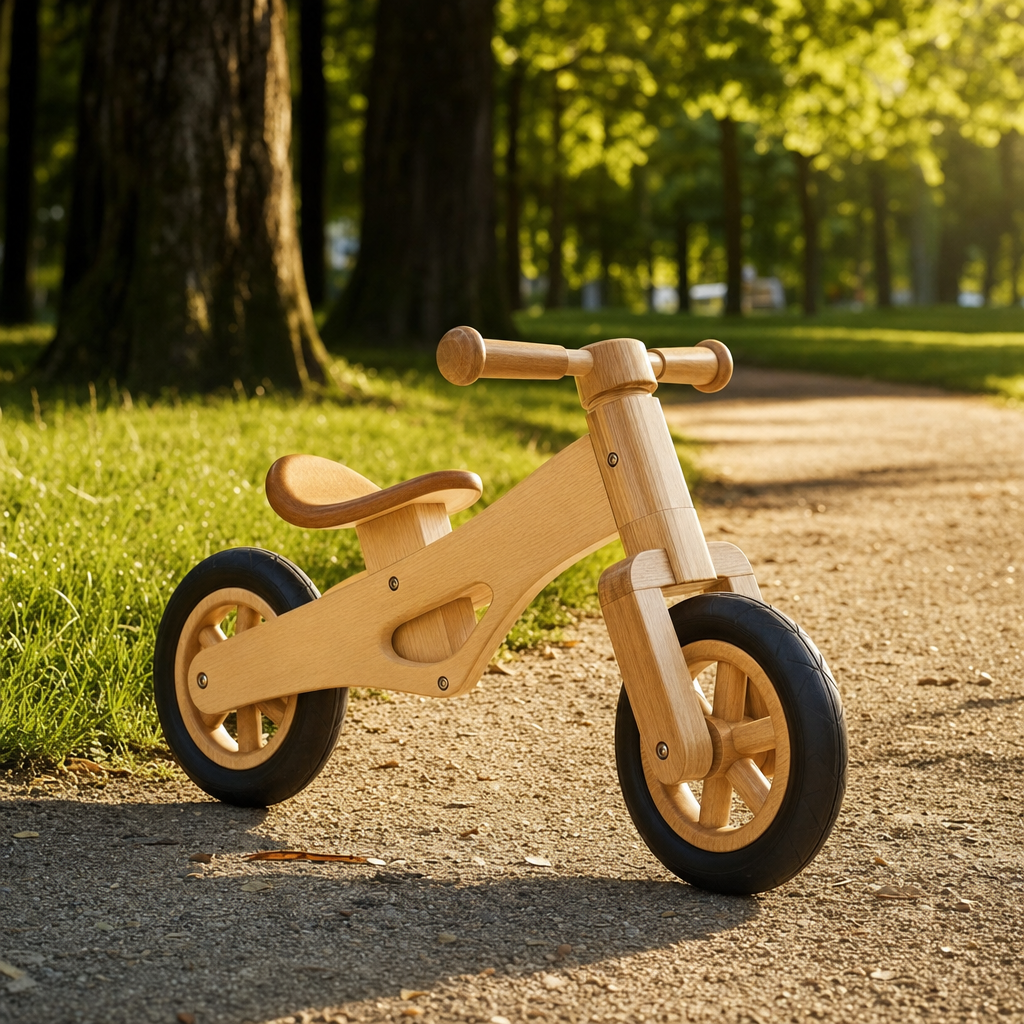
Understanding the Appeal of Pedal-Free Bicycles
When exploring the market for the best balance bike, parents often discover a revolutionary approach to teaching young children how to ride on two wheels. Traditional bicycles rely heavily on training wheels, which unfortunately teach kids to lean the wrong way and depend on extra support. In contrast, pedal-free alternatives strip away the pedals and drivetrain entirely, allowing toddlers to propel themselves forward using their own feet. This fundamental design shift means children naturally learn how to balance, steer, and stop without the overwhelming distraction of pedaling. By keeping their feet close to the ground, kids feel a sense of security that dramatically boosts their confidence during early outdoor play.
The physiological benefits of starting early on a two-wheeled machine extend far beyond simple recreation. Pediatric developmental experts frequently emphasize that mastering balance at an early age enhances gross motor skills, spatial awareness, and core muscle strength. As children stride and coast down gentle slopes, they continuously micro-adjust their body weight to maintain equilibrium. This intuitive learning curve transforms physical coordination into second nature long before they ever transition to a traditional pedal bike. Furthermore, because these apparatuses are lightweight and low to the ground, toddlers can easily pick them up if they tip over, fostering independence and resilience during outdoor adventures.
Key Features to Evaluate Before Making a Choice
Evaluating the sheer variety of options available requires looking closely at frame materials and overall weight distribution. Steel frames offer remarkable durability and can easily withstand the rough treatment typical of toddler play, though they tend to be noticeably heavier than aluminum counterparts. Aluminum frames provide a rust-resistant, lightweight alternative that is much easier for smaller children to maneuver, lift, and control. Additionally, wooden models have gained popularity for their aesthetic appeal and eco-friendly construction, but parents should always check whether the wood is properly sealed to prevent weather damage if left outdoors in the rain.
Wheel composition and tire technology also play a crucial role in determining the overall ride quality and maintenance requirements. Foam tires, often made of EVA or similar synthetic compounds, are entirely puncture-proof and require zero maintenance, making them a hassle-free choice for busy caregivers. However, pneumatic tires filled with air offer superior shock absorption, better traction on wet surfaces, and a much smoother glide over rough pavement, gravel, or grass. Deciding between these two common tire types depends heavily on where your child will be riding most frequently and how much time you want to spend maintaining tire pressure throughout the changing seasons.
To help you compare the various design elements effectively, consider the following checklist of essential features:
- Frame weight that does not exceed thirty percent of the child’s total body weight
- Adjustable seat post with a quick-release clamp to accommodate rapid growth spurts
- Steering limiters that prevent jackknifing and sudden sharp turns for absolute beginners
- Padded handlebars and comfortable grips designed specifically for small hands
Getting the Sizing Right for Your Child
Choosing the correct size is arguably the most critical factor when searching for the best balance bike for your specific toddler. Unlike traditional bicycles that are measured by wheel diameter, pedal-free models are primarily sized according to the child’s inseam measurement. To measure this accurately, have your child stand flat-footed against a wall with their shoes on, place a book gently between their legs up to the crotch, and measure from the top of the book down to the floor. This exact measurement ensures that the lowest seat height setting will allow your child’s feet to rest completely flat on the ground with a slight bend in their knees.
Allowing toddlers to ride with their feet completely flat ensures they can brake safely and push off with maximum power without straining their joints. If the frame is too large, children will struggle to touch the ground comfortably, leading to frustration, tip-overs, and an immediate aversion to the activity. Conversely, buying a model that is too small limits the lifespan of the equipment as the child rapidly grows. Fortunately, most quality manufacturers design their frames with generous seat and handlebar adjustability, allowing the apparatus to comfortably span two to three years of active childhood development.
Safety Equipment and Proper Riding Environment
Prioritizing safety begins long before your child ever swings a leg over the frame for their very first outdoor excursion. A properly fitted, certified bicycle helmet is an absolute necessity, regardless of how slow your toddler intends to roll down the driveway. The helmet must sit level on the head, covering the forehead without tilting backward, and the chin strap should be snug enough that you can fit no more than two fingers underneath. Beyond head protection, durable closed-toe shoes are essential to protect developing toes from scrapes, and knee pads can provide an extra layer of comfort as coordination improves.
Selecting the right location for initial practice sessions can dramatically accelerate your child’s learning curve while minimizing bumps and bruises. Flat, smooth surfaces such as an empty tennis court, a paved park path, or a quiet cul-de-sac with minimal automobile traffic serve as ideal training grounds. Avoid steep hills, rocky terrain, and areas with thick, overgrown grass until your child has mastered steering and stopping with absolute confidence. Always supervise young riders closely, keeping within arm’s reach during their earliest attempts so you can gently guide them if they begin to lose their directional stability.
Transitioning to a Pedal Bicycle Later On
One of the most remarkable advantages of mastering a pedal-free apparatus is how effortlessly it paves the way for riding a standard bicycle later. Because children have already spent months or even years developing their vestibular system and natural sense of balance, the mechanics of pedaling become the only new skill to learn. When the time finally arrives to introduce a traditional bicycle, many parents find that training wheels are completely unnecessary and can be bypassed entirely. Children simply hop onto the new machine and pedal away with astonishing poise within minutes of their very first try.
When transitioning your child, it helps to keep the experience low-pressure and entirely focused on fun rather than immediate perfection. Allow them to sit on the new pedal bike in the backyard to get used to the heavier weight and wider frame before trying to pedal down the street. Some families even prefer to remove the pedals from the new bicycle temporarily, letting the child coast around to adapt to the new weight distribution. This patient, step-by-step approach ensures a smooth and joyous progression that builds lifelong enthusiasm for cycling and active outdoor lifestyles.
Frequently Asked Questions
What age is appropriate for a child to start using a balance bike?
Most children can begin riding around eighteen months to two years old, provided they are walking steadily and meet the minimum inseam height requirement of the specific model.
Do balance bikes come with hand brakes or foot brakes?
Most models rely on the child’s feet for stopping, but some advanced versions include rear hand brakes designed for older toddlers who are preparing to transition to pedal bikes.
Are pneumatic air tires better than foam tires?
Air tires offer better traction and shock absorption for rough terrain, while foam tires are completely puncture-proof and require zero maintenance, making each ideal for different riding environments.
How do I know when my child is ready for a traditional pedal bike?
Your child is likely ready when they can comfortably coast with their feet off the ground for several seconds, exhibit strong steering control, and express a personal interest in pedaling.
Article Was Generated By AI.