
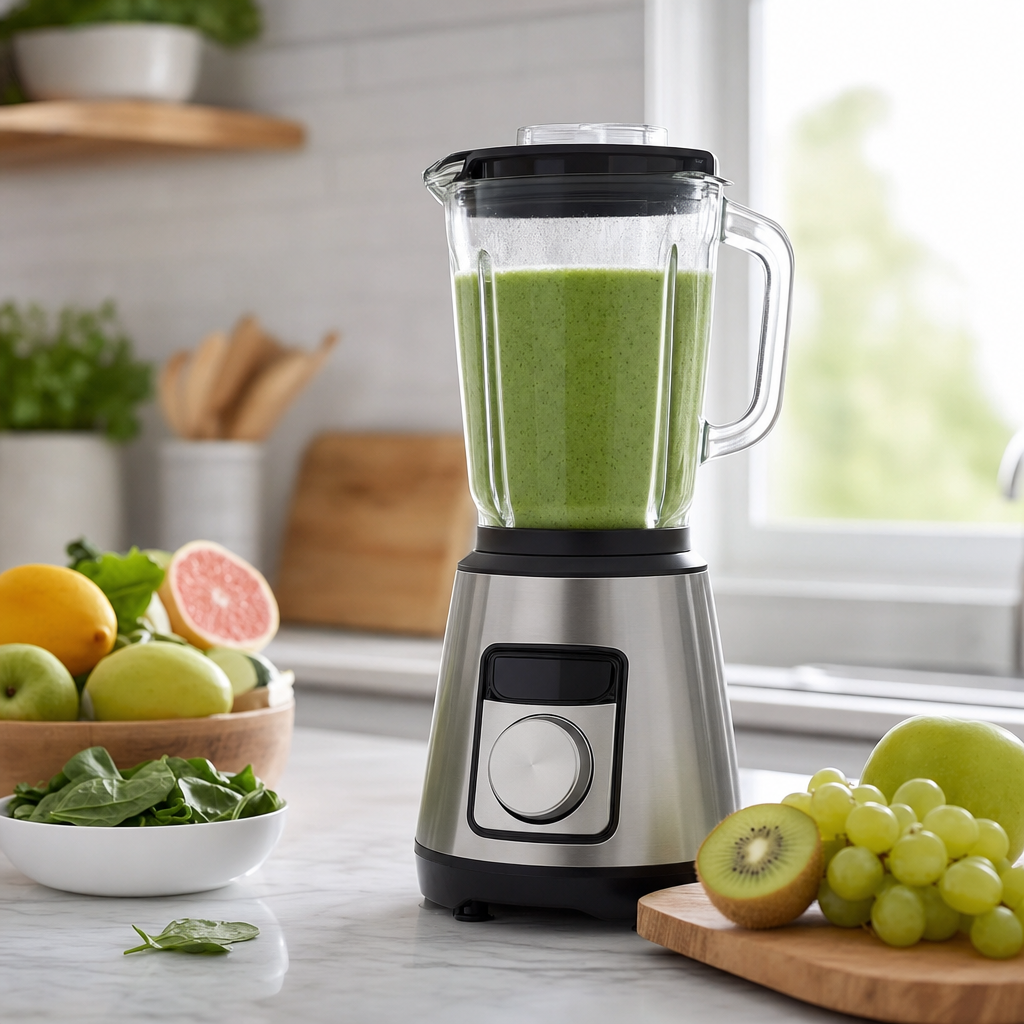
Understanding Your Kitchen Needs Before Shopping
When searching for the best blender for your kitchen, the process always begins with a careful evaluation of your daily cooking habits and beverage preferences. Some households rely heavily on morning green smoothies, requiring heavy-duty motor performance to pulverize tough kale stems, frozen berries, and fibrous ginger without missing a beat. Others might only need a countertop appliance for occasional milkshakes, light salad dressings, or blending warm soups on a chilly autumn evening. By taking a close look at the frequency of your use and the exact types of ingredients you process regularly, you can easily separate essential features from expensive, unnecessary marketing gimmicks.
Another crucial aspect of defining your needs involves considering your available counter space and kitchen storage capacity. Large-capacity blenders with robust motor bases often demand a permanent spot on your countertop because lifting them in and out of low kitchen cabinets can quickly become a tedious chore. Conversely, if your kitchen features limited square footage, you might prioritize a compact model that stores away effortlessly in a pantry or drawer while still delivering reliable performance for smaller batches. Thinking about batch sizes also matters immensely, as single-serving cups work wonderfully for solo breakfast routines, whereas families generally require containers holding forty-eight ounces or more to prepare adequate portions in one go.
Key Mechanical Components That Drive Performance
The absolute heart of any high-performing blender is its motor, typically measured in peak horsepower or wattage. Models generally range from three hundred watts for basic food processing tasks up to fifteen hundred watts or higher for professional-grade culinary results. Higher wattage allows the machine to maintain consistent blade speed even when encountering dense, frozen ingredients or stubborn ice cubes that might otherwise cause a weaker motor to stall or overheat. However, wattage alone does not tell the entire story of how well a machine operates, because intelligent engineering, internal cooling fans, and efficient power transmission play equally vital roles in long-term durability and overall blending success.
Blade design and jar geometry work hand-in-hand with the motor to create the necessary vortex that pulls food downward into the cutting zone. Many modern units feature multi-pronged stainless steel blades angled in different directions to simultaneously slice, chop, and aerate various ingredients. Meanwhile, the interior walls of the container often feature specific ridges or tapered shapes designed to disrupt the circular flow of food, forcing ingredients back toward the center rather than letting them cling helplessly to the outer edges. Paying attention to these subtle aerodynamic details helps explain why certain models create silky-smooth purees while others leave behind noticeable chunks and grit.
Evaluating Jar Materials and Control Interfaces
Choosing the right jar material is another important decision that impacts both the safety and longevity of your kitchen appliance. Glass jars are wonderfully heavy, resist scratching, and do not absorb food odors or stubborn tomato stains over years of frequent use, though they can be quite heavy and vulnerable to shattering if accidentally dropped on a hard tile floor. Plastic jars, particularly those crafted from durable, BPA-free copolyester materials like Tritan, offer exceptional shatter resistance and lightweight handling, making them exceptionally popular in bustling family kitchens. Stainless steel containers represent a third durable option, prized by commercial operators and home cooks alike for their incredible sturdiness, although they lack transparency for monitoring your culinary creations.
Control interfaces range from simple physical toggle switches with high and low speed settings to sophisticated digital touchscreens featuring fully automated blending programs. Variable speed dials give you granular control over the texture of your recipes, allowing you to gently fold ingredients together or ramp up to maximum velocity for ultra-smooth emulsions. Automated pre-set programs, which adjust speed and cycle timing independently for tasks like making smoothies, crushing ice, or heating hot soups, offer wonderful convenience for busy cooks who prefer a hands-off approach. Ultimately, the best interface is one that feels intuitive to your personal workflow without cluttering the appliance body with overly complicated digital menus you will rarely use.
Here are the primary control interface styles typically found on the market:
- Manual toggle switches offering basic high, low, and pulse functions for straightforward operation.
- Variable speed dials providing exact velocity control for custom texture adjustments during blending.
- Automated pre-set buttons programmed with timed cycles for specific tasks like smoothies or hot soup.
- Digital touchpads featuring timer displays and sleek, easy-to-wipe modern aesthetic surfaces.
Proper Maintenance and Everyday Practical Guidance
Establishing a consistent cleaning routine is the single most effective way to extend the lifespan of your blending equipment and maintain optimal hygiene. Immediately after use, rinsing the jar with warm water prevents sticky residues from drying onto the blades and container walls, which makes deep cleaning significantly harder later. Many modern containers are dishwasher safe, though hand-washing with a drop of mild dish soap and warm water is often gentler on rubber gaskets, seals, and specialized blade assemblies. You can also execute a quick self-cleaning cycle by filling the jar halfway with warm water and a drop of dish soap, securing the lid, and running the motor on high for thirty seconds.
Safe operating practices protect both the user and the appliance motor from unnecessary strain and potential kitchen accidents. Always ensure the lid is securely locked in place before turning on the machine, and use the provided tamper tool to guide stubborn ingredients downward rather than inserting spoons, spatulas, or fingers while the blades are spinning. When dealing with hot liquids, such as steamed vegetables for homemade soup, remove the center feeder cap from the lid to allow steam to escape safely, as pressure buildup can otherwise blow the lid completely off the container. Taking these simple precautions ensures safe operation and prevents messy culinary disasters in your kitchen.
Frequently Asked Questions About Blenders
What is the difference between a standard blender and a high-performance model?
Standard models usually feature lower wattage motors and simpler blade systems suited for soft foods and drinks. High-performance units boast powerful motors and specialized jar designs capable of grinding grains, crushing ice instantly, and creating silky-smooth purees from tough fibrous ingredients.
Can I put boiling hot liquids into a regular glass or plastic blender jar?
Putting boiling liquids into a sealed container can create dangerous steam pressure that shatters glass or blows off lids. Always let hot ingredients cool slightly, use a vented lid designed for heat, or choose a specialized thermal jar built to withstand high temperatures safely.
How can I prevent my smoothies from separating into layers?
Smoothie separation often happens when ingredients are not fully pulverized or contain too much thin liquid. Using frozen fruit instead of ice, adding a thickening agent like banana or yogurt, and blending on high speed for a full minute will create a stable, uniform emulsion.
Why does my appliance smell like burning plastic during use?
A burning smell often indicates that the motor is working too hard due to an overloaded jar, jammed ingredients, or running the machine continuously for too long. Turn off the appliance immediately, let the motor cool down, and reduce the batch size or add more liquid.
Article Was Generated By AI.