
Understanding Your Options
When searching for the best jump rope, you will quickly discover that not all ropes are created equal. The market offers a wide variety of designs tailored for specific activities, ranging from high-speed cardiovascular conditioning to heavy strength training. Understanding the fundamental differences among these styles is the first step toward making an informed choice that suits your current fitness routine. Beginners often start with lightweight plastic models, while advanced athletes might prefer weighted or cable systems that demand greater coordination and upper body endurance.
Material composition plays a massive role in how a rope feels during rotation and how long it will last under regular use. Common materials include PVC, vinyl, leather, beaded segments, and bare steel cables coated in protective plastic. Each material influences the overall weight, flexibility, and wind resistance of the cord. For instance, indoor wooden floors demand different care and durability compared to abrasive outdoor concrete surfaces. Knowing where you plan to jump most often will heavily dictate which material serves you best over months of consistent practice.
Key Types of Jump Ropes
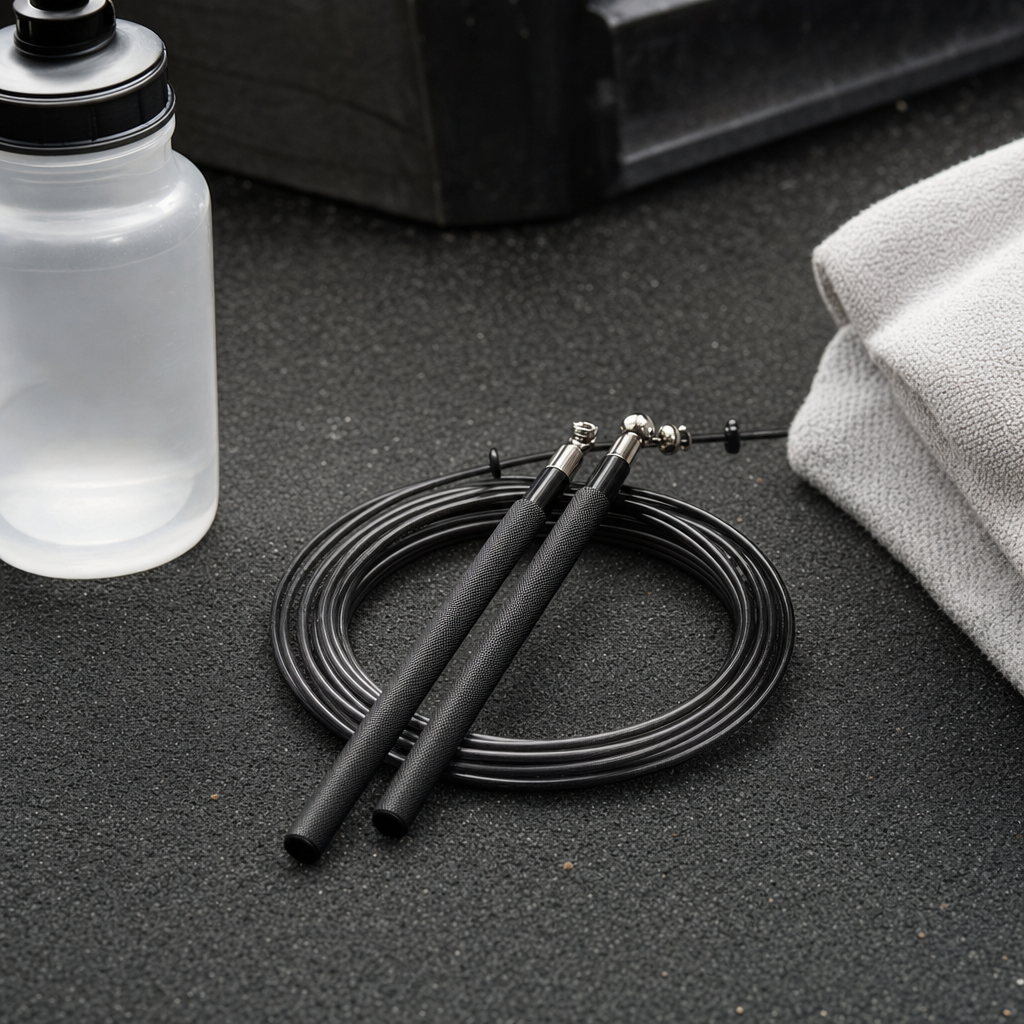
Speed ropes are engineered specifically for rapid rotations, making them the favorite tool of CrossFit enthusiasts and boxers working on footwork agility. These ropes typically feature thin steel cables coated in nylon or PVC and use precision ball bearings inside the handles to minimize friction. Because the cord is so light, you can achieve multiple rotations per jump, commonly known as double-unders. However, they provide very little tactile feedback, meaning you must rely heavily on proper wrist timing rather than feeling the weight of the rope pull through the air.
Weighted ropes introduce an entirely different physical challenge by incorporating heavy cords or weighted handles that engage your shoulders, arms, and core muscles. While standard speed ropes focus strictly on lower body agility and cardiovascular endurance, weighted alternatives turn a basic skipping session into a full-body resistance workout. They move much slower through the air, which can actually help beginners master their timing because the heavier momentum makes the rope trajectory predictable. Nevertheless, they require more muscular stamina and can lead to faster fatigue if you are not accustomed to upper body loading.
Beaded ropes and leather ropes offer traditional alternatives that many instructors recommend for learning fundamental rhythm and coordination. Beaded ropes consist of a lightweight cord covered in plastic segments, which add moderate weight and create a distinct sound as they strike the ground. This audible feedback helps beginners synchronize their jumps. Leather ropes, on the other hand, provide a classic feel with a natural weight that cuts through outdoor breezes effectively, though they tend to stiffen in cold weather and require occasional maintenance.
Sizing and Fit Essentials
Choosing the right length is just as important as selecting the correct material, because an improperly sized rope will constantly trip your feet or force poor posture. A standard rule of thumb for beginners is to stand with both feet on the middle of the rope and pull the handles straight up toward your armpits. The tops of the handles should reach roughly to your armpits or slightly below. If the rope is too long, it will drag excessively on the floor and loop too wide, creating unnecessary drag and awkward arm positions during your workout.
Advanced jumpers often prefer slightly shorter ropes to minimize the arc size and maximize their rotational speed for advanced tricks. However, shortening a rope too much forces you to bend forward at the waist or lift your knees unnaturally high to clear the cord. Many modern ropes feature adjustable mechanisms such as screws, snap-locks, or sliding clips that let you easily modify the length. Taking a few minutes to fine-tune your rope length will dramatically improve your success rate and reduce frustration during your initial practice sessions.
- Stand firmly on the center of the cord with one or both feet together.
- Pull the handles upward, keeping them parallel to the floor.
- Check that the top of the handle aligns with your armpit or top of your ribs.
- Adjust the length using built-in mechanisms or by tying knots if permitted by the design.
Handle Design and Mechanics
The handle is your primary point of contact with the equipment, making ergonomics and grip texture critical factors for comfort and safety. Handles are generally crafted from plastic, foam, aluminum, or wood, each offering distinct advantages. Foam grips absorb sweat effectively and prevent slipping during intense cardiovascular routines, but they can degrade and hold moisture over time. Metal and hard plastic handles are extremely durable and allow for thin profiles that fit comfortably in smaller hands, though they may feel slick if your palms sweat profusely.
Internal rotation mechanisms determine how smoothly the rope spins around your hands without twisting or kinking the cord. Cheap ropes often rely on simple plastic loops where the cord passes straight through the handle, resulting in friction and rapid wear. Higher quality options incorporate ball bearings, dual-axis swivels, or right-angle joints that allow the cable to rotate fluidly with every flick of the wrist. Investing in a rope with reliable swivel mechanisms ensures a consistent, tangle-free experience that protects your wrists from repetitive strain injuries.
Surface Selection and Maintenance
The surface where you jump plays a massive role in preserving your equipment and protecting your joints from unnecessary impact shock. Concrete, asphalt, and unpaved outdoor ground are notoriously abrasive and will quickly shred bare steel cables or thin PVC cords. If you must jump outdoors, look for a protective coating on your cable or use a dedicated rubber fitness mat to absorb friction. Wooden gym floors, rubberized track surfaces, and specialized jump mats offer the best combination of shock absorption and rope longevity.
Proper storage and routine maintenance will significantly extend the lifespan of your jump rope, preventing kinks and premature mechanical failure. Never store your rope tightly coiled in a way that creates sharp bends in the cord, especially with plastic and PVC materials that can deform permanently. Instead, hang the rope loosely by its handles or coil it in large, natural circles inside a breathable gym bag. Periodically inspect the cable coating for cracks or exposed metal wire, and wipe down the handles to remove accumulated sweat and dirt.
Frequently Asked Questions
What length of jump rope should I buy if I am a beginner?
Beginners should choose a rope where the handles reach up to their armpits when standing on the center of the cord. This provides a forgiving clearance margin while you learn proper timing.
Are heavy weighted ropes safe for everyday cardio workouts?
Yes, but they place significantly more stress on your shoulders and wrists. Start with short intervals of two to three minutes to build muscular endurance before attempting longer sessions.
How can I prevent my jump rope from kinking and tangling?
Avoid coiling the rope tightly or leaving it compressed under heavy objects. Store your rope by hanging it loosely from a hook or laying it flat in your gear bag.
Can I use any jump rope on rough outdoor concrete?
Bare steel cables will wear down rapidly on concrete. If you jump outdoors, choose a thick PVC cord or use a protective rubber jump mat to prevent abrasive damage.
Article Was Generated By AI.